
The Bakar Aging Research Institute continues to expand its community of investigators dedicated to understanding the biology of aging and translating discoveries into healthier longevity. We are delighted to welcome a distinguished group of new members whose expertise spans neuroscience, chemical biology, computational science, musculoskeletal health, metabolism, and regenerative medicine. Their collective work strengthens BARI’s mission to illuminate the mechanisms of aging and age-related disease, while fostering collaboration across UCSF.
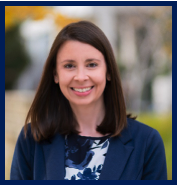
Assistant Professor of Neurological Surgery, Cadwell studies how human cortical circuits form and how they are altered in disease. Using cerebral organoids and primary human brain tissue, her lab maps cell types, connectivity, and the ways infiltrating gliomas reshape neural networks, insights with direct relevance to cognitive decline and brain aging.
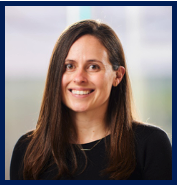
Associate Professor of Orthopaedic Surgery, Bailey leads the Digital Orthopaedic Biomechanics Lab. Her research develops precision digital tools and biomechanical phenotypes to understand and improve recovery from spine and musculoskeletal conditions, addressing a major source of disability in older adults.
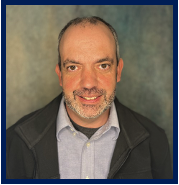
Professor of Pharmaceutical Chemistry and member of the Institute for Neurodegenerative Diseases, Gestwicki investigates molecular chaperones and protein homeostasis. By developing chemical probes that rebalance chaperone function, his lab seeks new therapeutic strategies for neurodegenerative disorders driven by protein misfolding.
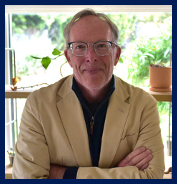
Professor of Pharmaceutical Chemistry and Associate Director of Chemistry at the Small Molecule Discovery Center, Neitz brings deep expertise in medicinal chemistry and fragment-based drug discovery. His work spans targets relevant to neurodegeneration and other age-associated conditions, advancing the translation of chemical insights into potential therapies.
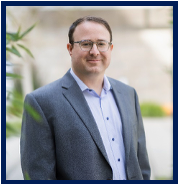
Assistant Professor in the Cardiovascular Research Institute, Fidler studies how hematopoietic cells, especially macrophages, drive atherosclerosis in the context of clonal hematopoiesis. His research connects age-related changes in blood stem cells to cardiovascular disease risk and potential interventions.
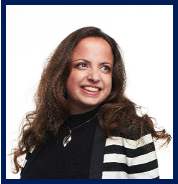
Professor and Interim Director of the Bakar Computational Health Sciences Institute, Sirota develops integrative computational methods that combine clinical and molecular data. Her lab’s work on disease diagnostics, women’s health, and Alzheimer's disease exemplifies the power of data science to accelerate precision approaches to aging-related conditions.
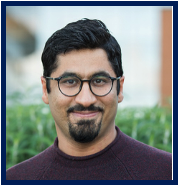
Associate Professor of Neurology and Bioengineering, Abbasi-Asl investigates the role of AI and advanced computational tools in understanding brain functions and its related disorders. Reza’s research aims to link multi-modal measurements from brain and body across scales to function and aging-related disorders.
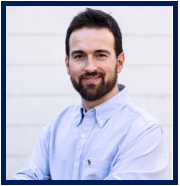
Associate Professor in the Diabetes Center, Valdearcos investigates how nutrition, immune–brain communication, and glial lipid metabolism shape metabolic health across the lifespan. His work examines how metabolic stress disrupts glial function and brain–body homeostasis, contributing to age-related diseases.
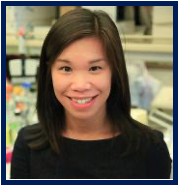
Associate Professor in Residence, Department of Medicine (Gastroenterology and Hepatology), Chen studies the mechanisms that regulate hepatic fibrosis, with a particular focus on how pathways that promote matrix degradation and fibrosis resolution become impaired with aging. Her work aims to identify new therapeutic strategies and biomarkers to restore tissue repair and reverse fibrosis.
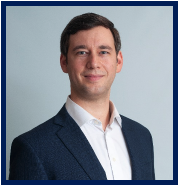
Assistant Professor of Pathology and the Institute of Neurodegenerative Diseases, Mordes combines human neuropathology with stem-cell-derived neuronal models to study ALS, frontotemporal dementia, and related disorders. His research seeks mechanisms of selective neuronal vulnerability and new therapeutic avenues.
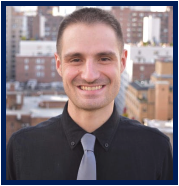
Assistant Professor of Anesthesia, Perez works at the intersection of computational biology, genomics, and clinical anesthesiology. His research explores CRISPR-based approaches and individual-genome-level strategies with potential applications to age-related disease and precision medicine.
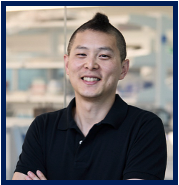
Assistant Professor of Surgery and the Institute for Human Genetics, Hsiung develops synthetic gene regulation tools and combinatorial functional genomics platforms. His work on cell-type-specific transcription, epigenetic memory, and tissue responses to injury opens new possibilities for regenerative approaches in aging tissues.
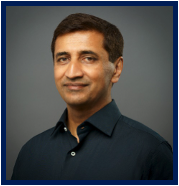
Professor and Vice-Chair of Biochemistry and Biophysics, Madhani studies gene regulation in health and disease. His studies of epigenetic mechanisms suggest new avenues for investigating cellular aging and rejuvenation.
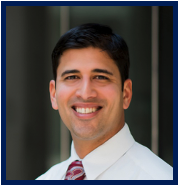
Associate Professor of Neurology, Singhal is a neurocritical care physician-scientist whose laboratory investigates neuroprotection and resilience. Drawing inspiration from ischemia tolerant species such as the Arctic ground squirrel and human genetic associations, his work aims to improve outcomes after stroke and other critical neurologic injuries – conditions that disproportionately affect older adults.
Together, these investigators bring complementary strengths in discovery science, technology development, and clinical translation. Their arrival further positions BARI as a hub for collaborative, high-impact research that bridges fundamental biology and the urgent challenges of aging. We look forward to the new ideas, partnerships, and advances they will help catalyze.